
Best Places to Visit in Bursa: The Ultimate Guide for First-Time Visitors (2026)
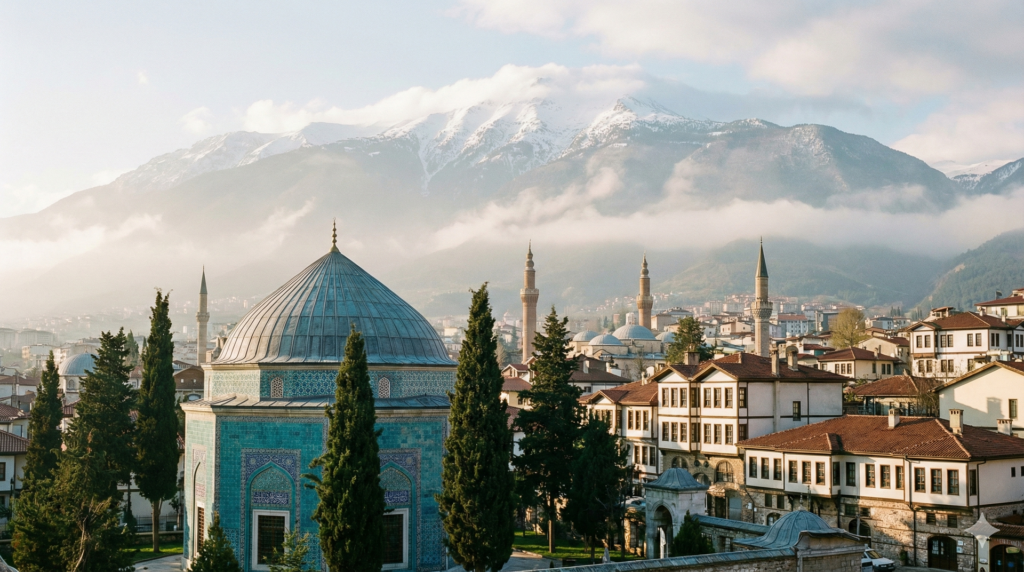
The first capital of the Ottoman Empire, a city of UNESCO-listed imperial complexes, and a green valley nestled at the foot of Mount Uludağ — Bursa is one of Turkey’s most visited cities, yet many travelers still barely scratch the surface of everything it has to offer. In this guide, we’ve compiled everything you need to know for your first visit to Bursa — or for rediscovering the city — from historic landmarks and natural wonders to gastronomy and thermal tourism.
The Founding Capital of the Ottoman Empire: Historic Landmarks
The soul of Bursa lies in its historic fabric, which traces back to the founding era of the Ottoman Empire. The city became the Ottoman capital in 1326 and was shaped as a center of civilization where the first six sultans lived and left their mark.
We recommend starting your historical exploration at the Khans District. The khans, bedestens and bazaars built from the reign of Orhan Gazi onwards keep a six-century-old trading tradition alive today. The Grand Bazaar, Koza Han and İpek Han are iconic landmarks of this area.
The Green Complex (Yeşil Külliye) is the most significant work of the Mehmed I era. The tile decorations inside the Green Mosque are considered one of the pinnacles of Ottoman art. The adjacent Green Tomb is one of the most photographed structures in the city.
Muradiye Complex, built by Sultan Murad II, offers a serene atmosphere with its sultan tombs set within a tranquil garden. The complex is among the properties listed as a UNESCO World Heritage Site and gives visitors the opportunity to see different periods of Ottoman architectural tradition side by side.
If you want to explore all the key Ottoman landmarks, you can follow the Ottoman Sultans Tour route. This route connects the city’s most important Ottoman monuments across six stops.
UNESCO World Heritage Sites
In 2014, Bursa was inscribed on the UNESCO World Heritage List under the title “Bursa and Cumalıkızık: The Birth of the Ottoman Empire.” The designated areas include the Orhan Gazi Complex, Hüdavendigar (Murad I) Complex, Yıldırım Bayezid Complex, the Green Complex, Muradiye Complex and the village of Cumalıkızık.
Cumalıkızık is a unique village approximately 10 kilometers from the city center where 700-year-old Ottoman vernacular architecture has been preserved. With its colorful wooden houses, narrow cobblestone streets and traditional village breakfasts, it is one of the most popular destinations among visitors. Since it tends to get crowded on weekends, planning a weekday visit will make for a more enjoyable experience.
You can view all UNESCO World Heritage Sites on a map and easily plan your visit.
Uludağ: Nature in Every Season
One of Turkey’s most famous winter tourism destinations, Uludağ is not limited to the ski season alone. The journey to its 2,543-meter summit offers a different natural experience in every season. During spring and summer, highland meadows, trekking trails and endemic plant species transform it into an ideal escape for nature enthusiasts.
The cable car ride to Uludağ departs from the city center and takes you to an altitude of 1,800 meters in approximately 25 minutes. A panoramic view of the Bursa plain accompanies you throughout the journey.
Thermal Tourism and Hot Springs
Bursa’s thermal resources have been known and used since the Roman era. The hot springs in the Çekirge district offer easily accessible thermal experiences for both domestic and international tourists, as they are within walking distance of the city center.
Eski Kaplıca (Old Thermal Bath) is Bursa’s oldest thermal facility. The structure, built on Byzantine-era foundations, was reconstructed during the Ottoman period and has survived to the present day. The thermal waters average around 47°C and are known to be beneficial for skin conditions and rheumatic ailments.
What to Eat in Bursa: A Gastronomy Guide
When one thinks of Bursa, the first flavor that comes to mind is undoubtedly İskender kebab. Developed in the 19th century by İskender Efendi, this dish gets its distinctive taste from thinly sliced döner meat served with butter and tomato sauce. Historic kebab restaurants around Kayhan and Atatürk Avenue serve this delicacy in its most authentic form.
However, Bursa’s cuisine encompasses far more than İskender alone. Cantık (fried dough), pideli köfte (meatballs on flatbread), Kemalpaşa dessert, candied chestnuts and milk halva are other important elements of the city’s gastronomic identity. İnegöl köfte, a dish specific to Bursa’s İnegöl district, is a Turkish culinary classic prepared with a perfect blend of minced meat and onion.
To explore the culinary highlights in the city center, check out our Bursa’s Gastronomic Spots page, where restaurants, kebab houses and dessert shops are listed along with their locations on a map.
İznik: A Historic City You Can Visit in a Day
İznik, located approximately 80 kilometers from Bursa, is an open-air museum that has been home to four great civilizations. Roman walls, the Hagia Sophia Orhaniye Mosque, the shores of Lake İznik and the world-famous İznik tiles make this small city an essential part of any Bursa itinerary.
Bursa for Families with Children
Bursa also offers a wealth of options for families with children. Bursa Zoo, the Toy Museum, the cable car ride and a traditional village experience in Cumalıkızık are among the activities children will enjoy. Watching a traditional shadow puppet show at the Karagöz Museum is both an entertaining and educational experience. Did you know that the characters Karagöz and Hacivat originated in Bursa?
Practical Information: How to Get There, Where to Stay
Getting There: The fastest way to reach Bursa from Istanbul is by sea. İDO and BUDO ferries operate services from Yenikapı to Güzelyalı or Mudanya, taking approximately 1.5 to 2 hours. By road, the distance from Istanbul is about 240 km, and you can arrive in roughly 2.5 hours via the Osmangazi Bridge. Bursa Yenişehir Airport also serves some domestic routes.
Accommodation: Hotels close to the historic center are concentrated in the Çekirge and Osmangazi districts. The Çekirge neighborhood is an ideal choice for those who want a thermal hotel experience. You can browse hotels in Bursa on a map and review their locations and details.
Best Time to Visit: Bursa offers a different kind of beauty in every season. Spring (April–May) is ideal for historic sites and nature walks; winter (December–March) is perfect for skiing and thermal tourism. Autumn treats photography enthusiasts to Uludağ’s spectacular foliage.
Getting Around the City: Bursa’s metro line (BursaRay), tram system and municipal buses offer convenient options for getting around. Since most historic landmarks are within walking distance of each other, we recommend exploring the city center on foot.
Plan Your Bursa Trip
It’s possible to create a travel plan in Bursa that suits every budget and interest, whether you have one day or a full week. To discover everything the city has to offer, visit our Discover page where you can filter through more than 825 listings by area of interest to find the spots that best suit you. Whether you want to explore historic landmarks, spend time immersed in nature, or savor Bursa’s unique flavors — everything you’re looking for is just a few clicks away.